by Ishaan Pokhriyal, Grade 7
When Devika Cariapa said, “It’s not surprising that these two fit together,” I couldn’t quite comprehend the connection. Archaeology is all about piecing together our past, while AI is rooted in the future. But as her session progressed, it became clearer how these two seemingly opposite worlds are beginning to intersect.
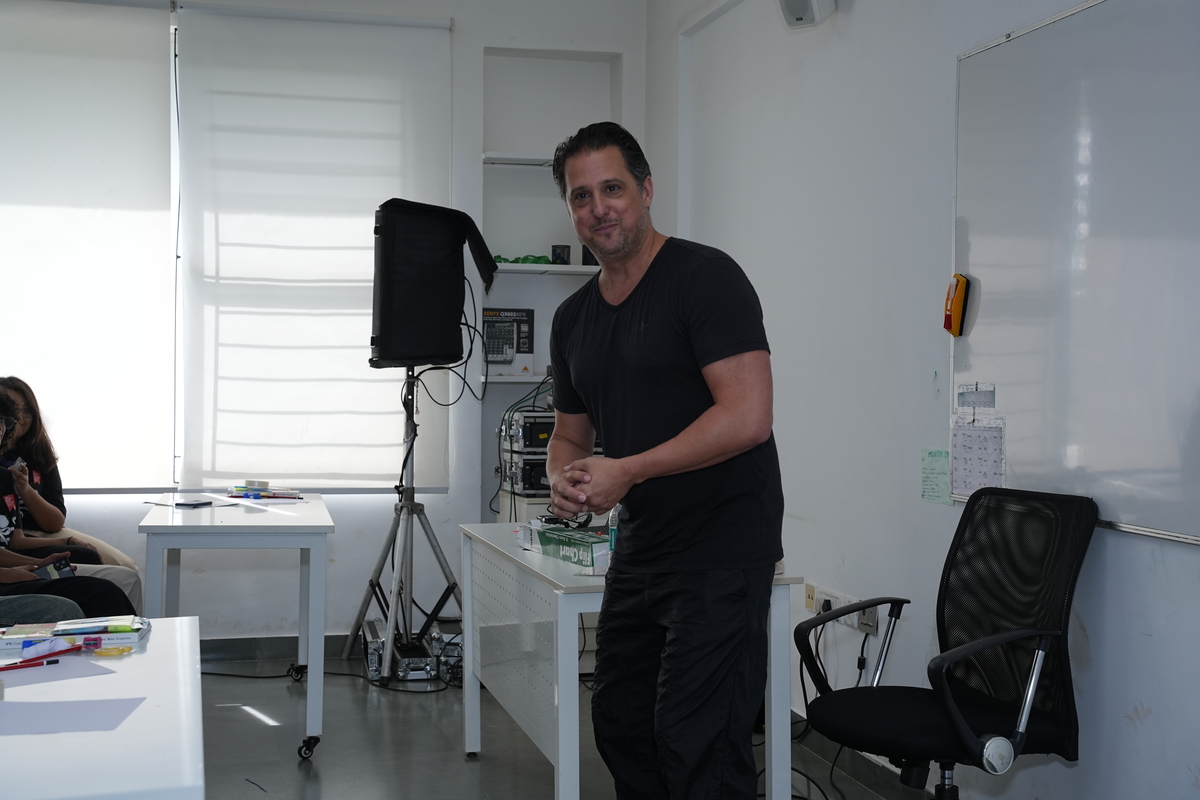
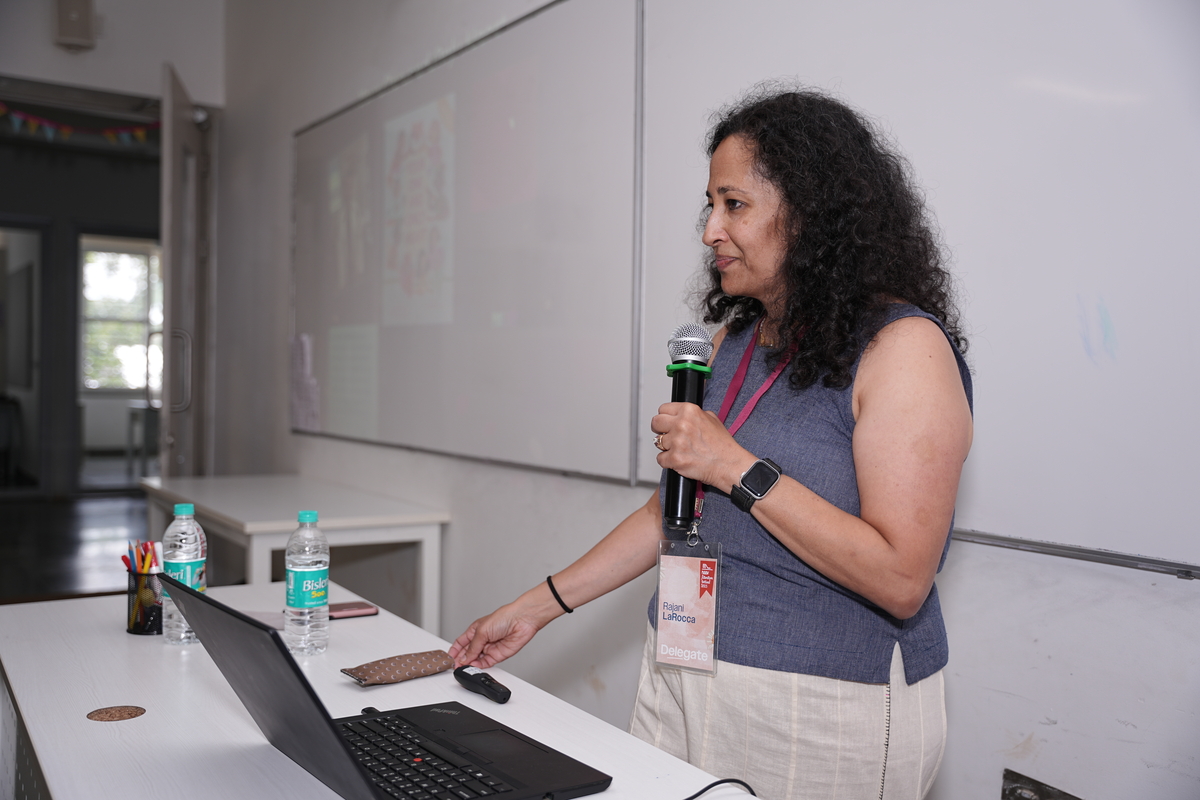
The session room buzzed with excitement the moment Devika Cariapa entered. Minute by minute, slide by slide, topic by topic, the audience’s curiosity began to grow. At first, people sat half-heartedly, unsure of what to expect. But soon enough, everyone was intrigued by the astonishing statements this former archaeologist and acclaimed author was making through her masterclass.
The gist of the masterclass focused on the differences between archaeology and AI—how AI, a technology that often lacks human intuition, is being increasingly used in a field that traditionally relies so heavily on it. Devika touched on how AI can sometimes falter or even mislead human efforts in excavation, yet in other ways, it can do what humans never could.
One example that caught my attention was the scrolls of Pompeii—ancient scrolls burned and buried in volcanic ash. These fragile artifacts would crumble at the slightest of human touch. Yet with AI, it’s now possible to analyze the ink marks on these scrolls without even unrolling them. AI can decipher what was once considered unreadable, revealing lost texts and pieces of history without damaging the original.
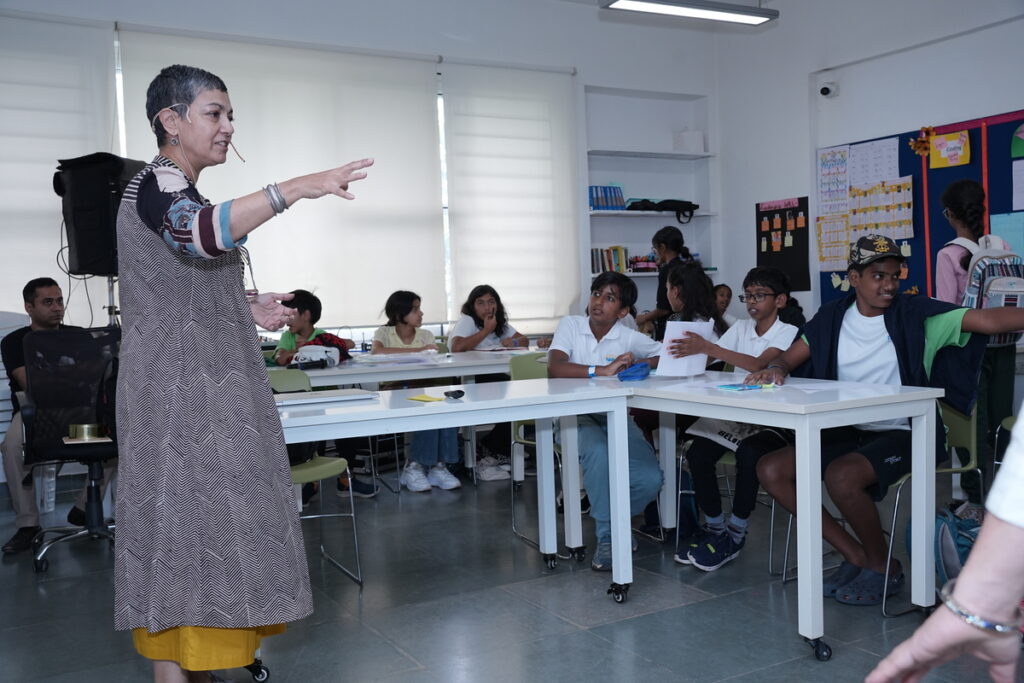
While subjects like history have a reputation of being ‘boring,’ this session was anything but that. It was interactive and filled with thoughtful discussion. Devika Cariapa managed to turn a complex subject into something accessible, sparking every student’s imagination. Questions about the future of archaeology, how AI can help or hinder us, and what this all means for our understanding of history were met with many different perspectives from the audience.
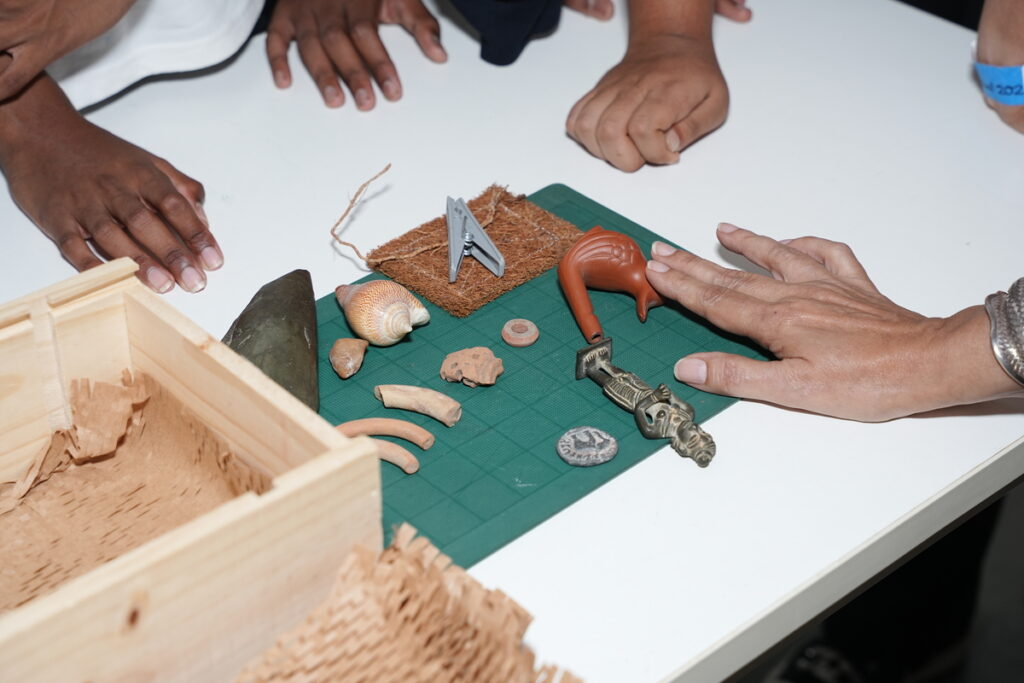
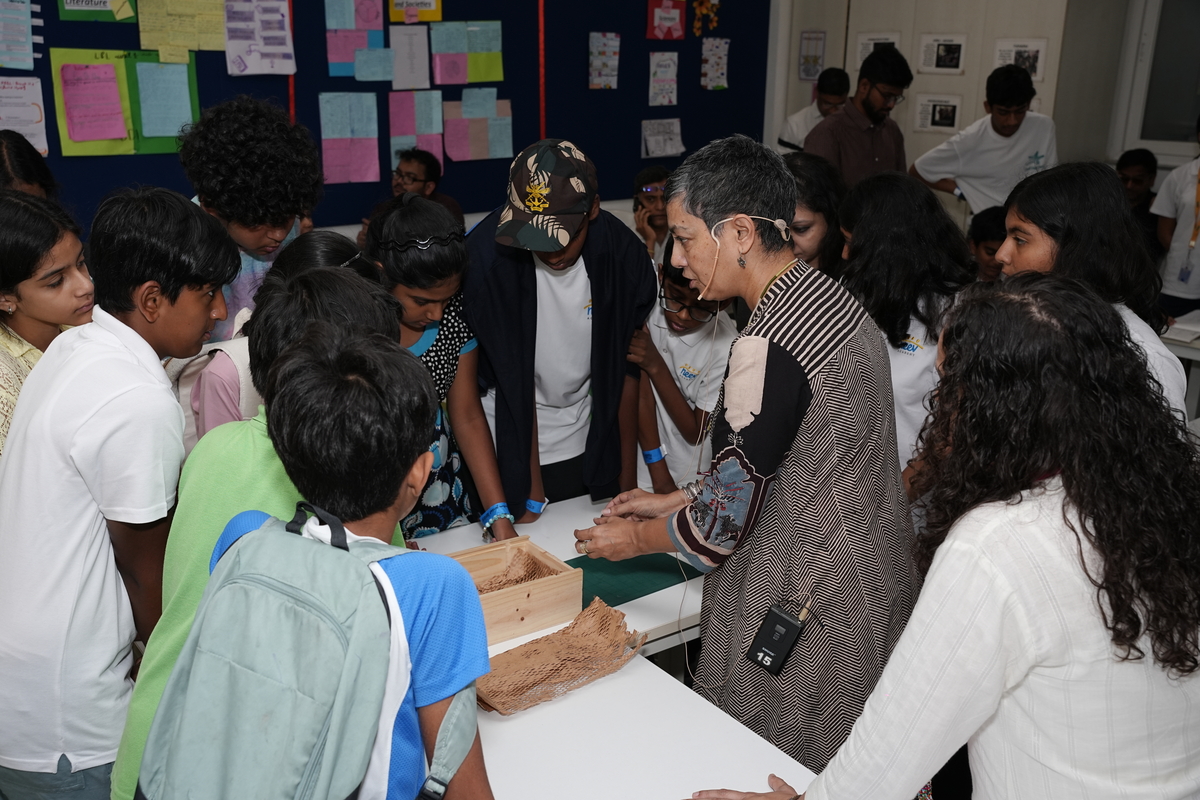
In the end, we participated in an activity where we “mini-excavated” an archaeology box and compared our findings with another group of students who conducted an “Artificial Excavation” using Bing AI. The contrast between the two methods, along with Devika’s insightful answers to our questions, made the session incredibly thought-provoking. It left us all reflecting on how a rising power in our world—AI—might shape not just archaeology, but many aspects of our future.