
by Naman Shastri, Grade 9
It takes talent to have a conversation so insightful and opinionated that the only sounds coming from an audience deep in thought are laughs acknowledging casual and effective humour. Sam Leith, author of Haunted Wood: A History of Childhood Reading, and Dr. Devika Rangachari, historian and author of various works of historical ‘semi-fiction’, did just that. Conventional barriers and stereotypes were broken in the discussion of various issues such as characterisation, the use/validity of historical sources both for and in literature, and adult morals in the stories children are exposed to.
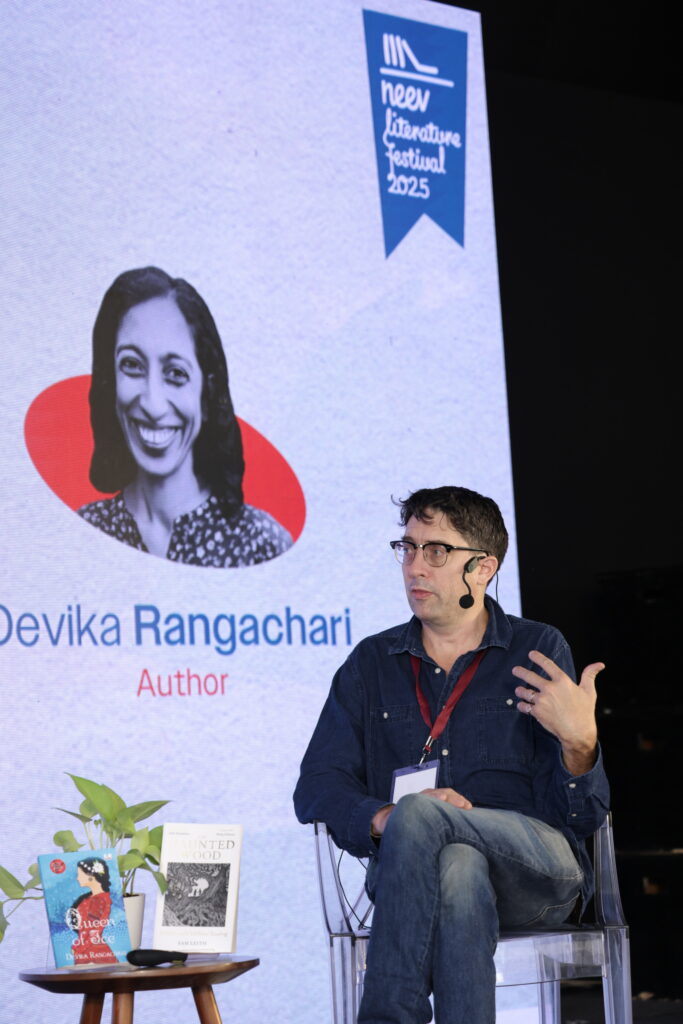
At its core, the session brought out the ideas of diversity, representation, and the platforming of new voices in the context of old ones. Dr. Rangachari claimed that, from experience, “women are considered trivial in the reconstruction of the past”, and made the point that we “don’t know about them (and their brave, independent choices) because (we) don’t read about them”. On the topic of the role of censorship and morals in children’s literature, Leith defended the use of mature themes by claiming we “undervalue a child’s perception to take from a text what they will”. A reader’s appreciation of a character can be driven by their conceptualisation of childhood, along with its fears, anxieties, and pressures.
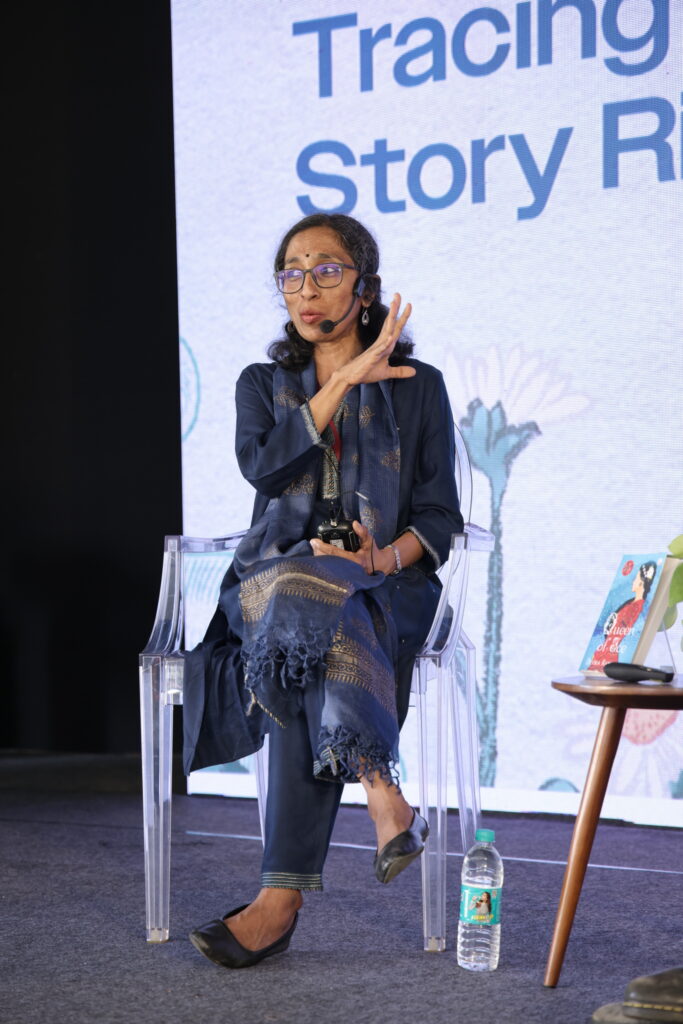
The audience, clearly parents either intrigued or concerned by the idea that their children should be independent in the ideas they absorb through stories, also played a role in bringing out new thoughts. Questions ranged from “Is this always prudishness or a sense of premature load-bearing?” to “Are certain forms of rulership sometimes glorified to paint a different picture and influence a lack of accurate/legitimate representation?” (referring to Dr. Rangachari’s book, Queen of Ice). The duo responded by reiterating their stances: “It doesn’t feel right that children are allowed to go through puberty, but not read about it”, “If you’re not ready for a book, you probably won’t enjoy it”, and “Your understanding of history is completely dependent on the sources you chose to examine.”
In conclusion, this session marked the “pouring of old wine into new bottles”, with the two authors providing a modern perspective on representation among both works of teenage fiction and their readers.